
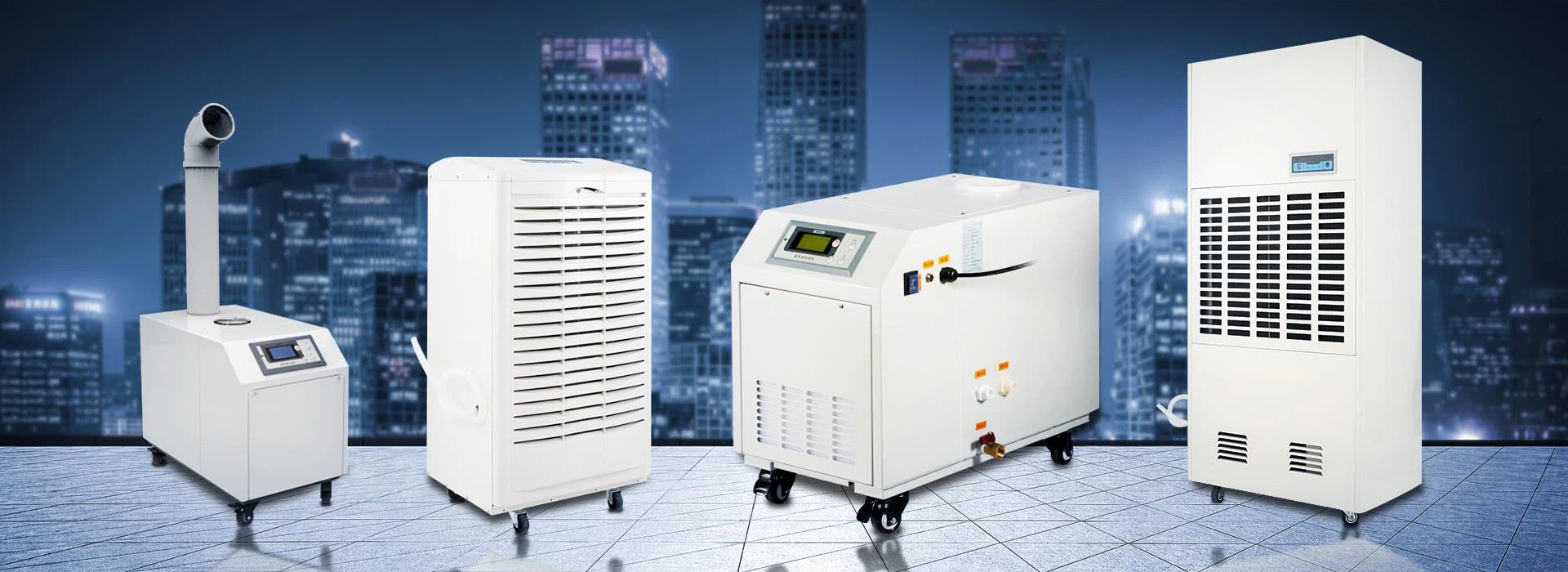


Applications of Dehumidifiers in Daily Life and Work Environments
Dehumidifiers play a crucial and often underappreciated role in maintaining comfort, health, productivity, and material integrity across a wide spectrum of both domestic and professional settings. Their ability to control excess moisture in the air translates into tangible benefits in numerous scenarios.
- In Daily Life (Home & Personal Environments):
Combatting Dampness and Mold: This is the most common home use. Basements, crawl spaces, bathrooms, and poorly ventilated rooms are prone to dampness, leading to musty odors, unsightly mold growth on walls and ceilings, and peeling paint. Dehumidifiers extract this excess moisture, creating a healthier living environment and protecting the structure of the home.
Protecting Belongings: Excess humidity damages valuable possessions. Dehumidifiers safeguard items like:
Clothing & Fabrics: Preventing mildew in closets, wardrobes, and storage areas.
Documents, Books & Artwork: Preventing pages from warping, sticking, or developing mold.
Electronics: Reducing corrosion risk on sensitive components stored in garages or sheds.
Musical Instruments (especially wooden ones): Protecting guitars, pianos, violins from warping and cracking.
Photographs & Memorabilia: Preserving them from moisture damage.
Improving Comfort and Health: High humidity makes the air feel hotter and stickier, hindering relaxation and sleep. Dehumidifiers create a more comfortable "feel" by lowering the relative humidity. Crucially, they also help reduce allergens like dust mites and mold spores, which thrive in damp conditions, thereby alleviating symptoms for allergy and asthma sufferers. They also discourage pests like silverfish and cockroaches.
Aiding Laundry Drying: Placing a dehumidifier in a room used for drying clothes (like a utility room or enclosed balcony) significantly speeds up the drying process, especially in humid weather or without external ventilation. This is more energy-efficient than using a tumble dryer constantly.

R290 refrigerant dehumidifier for EU Market
- In Work Environments (Commercial & Industrial Settings):
Industrial Processes & Manufacturing: Precise humidity control is essential in many industries:
Pharmaceuticals: Protecting raw materials and finished products during production and packaging.
Food Processing & Storage: Preventing clumping in powders (sugar, flour), maintaining crispness in snacks, and inhibiting bacterial/mold growth in storage facilities.
Electronics Manufacturing: Preventing condensation on sensitive PCBs and components during assembly and testing. Low humidity is critical in cleanrooms.
Woodworking & Paper: Stabilizing wood moisture content before and during processing to prevent warping. Controlling humidity in paper storage and printing facilities.
Chemical & Plastics: Ensuring consistent quality in moisture-sensitive chemical reactions and plastic pellet storage.
Warehousing & Storage: Protecting a vast array of goods from moisture damage, including textiles, furniture, machinery, archival materials, and bulk foodstuffs. Preventing corrosion on metal parts and equipment.
Commercial Buildings & Offices: Maintaining comfortable humidity levels improves employee well-being and productivity. It protects office equipment (computers, printers), furniture, carpets, and important documents from moisture damage and mold.
Specialized Facilities:
Libraries, Archives & Museums: Preserving priceless books, documents, artifacts, and artwork by maintaining strict, stable humidity levels to prevent deterioration.
Swimming Pools & Spas: High-temperature dehumidifiers are vital for removing massive amounts of moisture from the air in indoor pool enclosures, preventing structural damage, corrosion, fogged windows, and slippery surfaces.
Server Rooms & Data Centers: Excess humidity risks condensation on critical IT equipment, leading to short circuits and failures. Dehumidifiers ensure stable, dry conditions.
Gyms & Locker Rooms: Controlling sweat-induced humidity prevents mold growth, slippery floors, and equipment corrosion.
Greenhouses: Managing humidity levels is crucial for optimal plant growth and disease prevention.
Water/Fire Damage Restoration: Industrial dehumidifiers are essential tools for rapidly drying out buildings, structures, and contents after floods, leaks, or firefighting efforts.
In essence, dehumidifiers are vital tools wherever excess moisture poses a threat to health, comfort, structural integrity, material preservation, or the success of industrial processes. They create healthier, safer, more comfortable, and more productive environments in both our homes and workplaces.


