
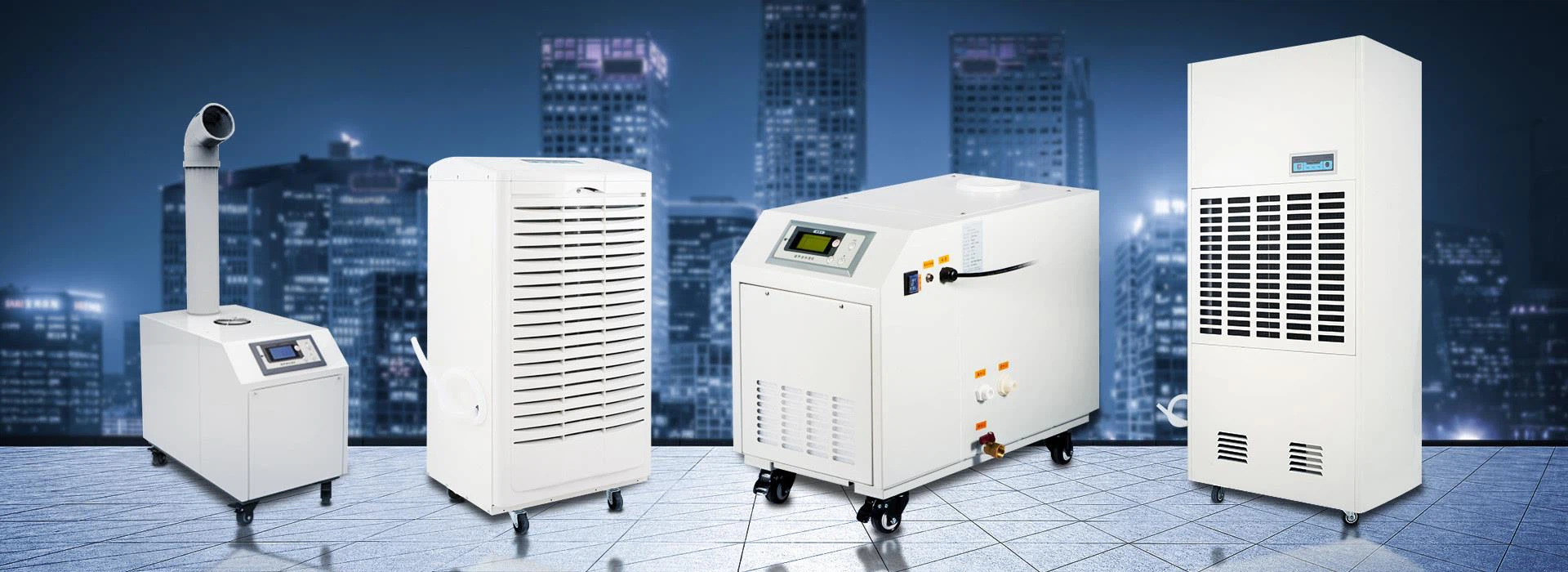
Humidifiers for Meat Cold Rooms
Are you wondering why your meat and poultry have a brown tint and look dry? It’s because refrigeration causes the meat to lose color, appearance and most importantly, weight. By the time meat reaches the end retailer, it loses up to 3% of its weight due to moisture loss, which can have major implications on the profitability of the business. Our humidification systems maintain quality, enhance appearance, reduce dehydration and extend the shelf life of your product. They are ideal for meat display cases, meat prep rooms and storage.
Meat itself is not a living organism but it is subject to endogenic enzymatic activity, or proteolysis, which causes muscle tissue to mature, become tender and develop a typical taste. This process is retarded by cold. Due to its chemical composition which is rich in proteins, lipids and water, meat is a particularly favorable substrate for the growth of microorganisms. The lipidic content also makes it very sensitive to oxidation. Again, micro-organism growth is a temperature-dependent process. To avoid it, it is absolutely essential to reduce the temperature of the meat, especially on the surface, immediately after dressing. Cooling must, therefore, be carried out in the slaughterhouse itself. This operation is known as primary chilling. Meat loses weight through surface evaporation. This process depends on differences in temperature and relative humidity between the meat and the environment. Maintaining an adequate rate of humidity in meat cold rooms is vital for the meat preservation to increase profit margins and reduce the volume of waste. Cooled meat is described as “fresh” because when correctly chilled, it retains the features of fresh meat. Due to its high content of unfrozen water, cooled meat must be stored in the proper environment. Lack of humidity causes a loss in both weight and quality, with the end result being a loss of profit.
Shorter storage-life, weight reduction and markdowns for visually less appealing products are the expensive consequences of inadequate air humidification. Initial weight loss for beef or lamb after slaughter is approx. 1% over the first few hours. During 18 hours of chilling, weight loss can reach as high as 2.7%. Lack of humidification also causes browning, discoloration and a dry surface area. Depending on the type of meat, water content ranges from 49 – 75%, so it’s very important to maintain a high level of relative humidity in cold rooms, up to 95% in some cases.
Benefits of air humidification in meat cold storage rooms
Less cooling losses in meat storage
Reduces the loss of profits because of weight reduction
Better heat transfer of the animal carcass and shorter cooling cycles
Lower energy costs due to faster cooling process
Longer storage life and freshness of the meat
Visually fresh meat for the customers
Less write-off because of unsellable meat
Commercial markets and the many modern distribution depots run by supermarket chains benefit from effective humidification, as do chilled display cabinets and open counters, helping to ensure that product quality is maintained right through the supply chain. Cold rooms are refrigerated which causes dehydration.
Most important, even beyond the excellent results, is the wonderful and responsible service and support system with our products.


